Jan Fabre
For more than thirty-five years, Jan Fabre (b. Antwerp, 1958) has occupied a leading position as a ground
breaking visual artist, theatre maker and author. His innovative and diverse work gained him international
recognition. In the late seventies he took courses at the Royal Academy of Fine Arts and the Municipal Institute
of Decorative Arts and Crafts, both in Antwerp.
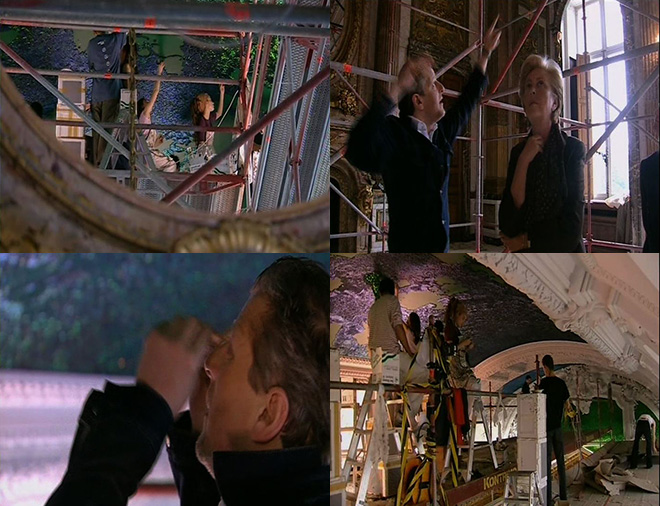
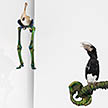
He has become well known to a wide audience with the Tivoli castle (1990), Heaven of Delight
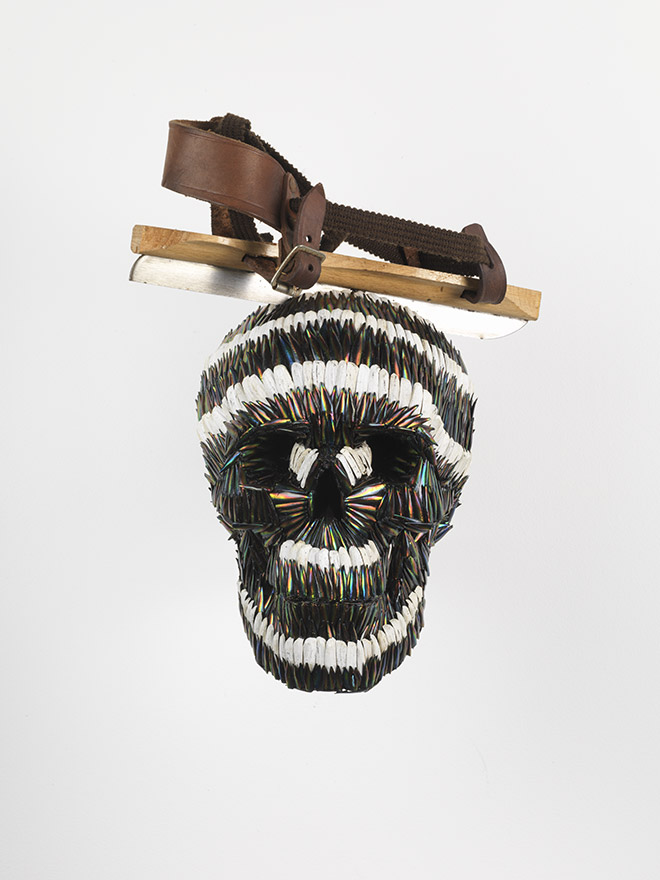
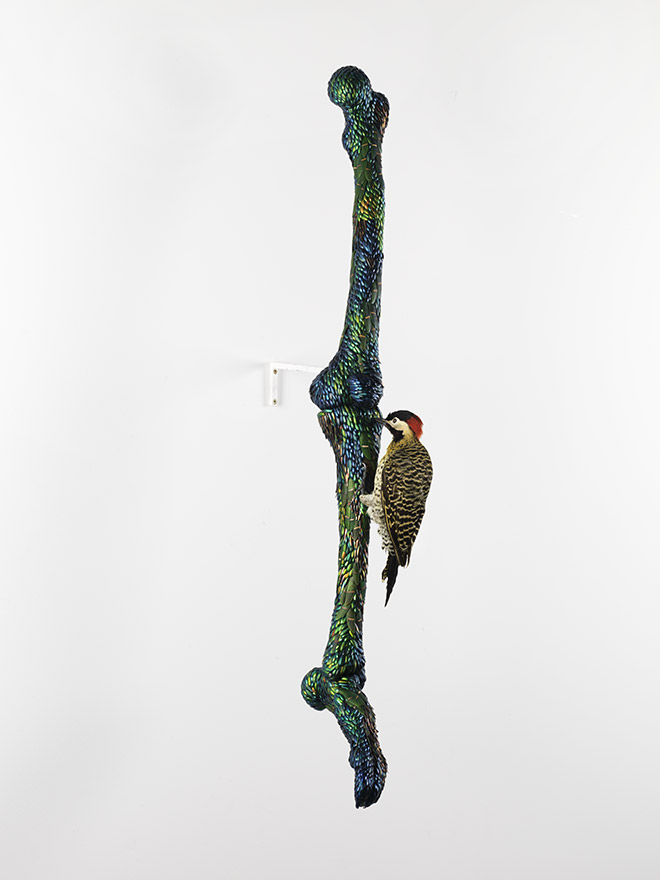
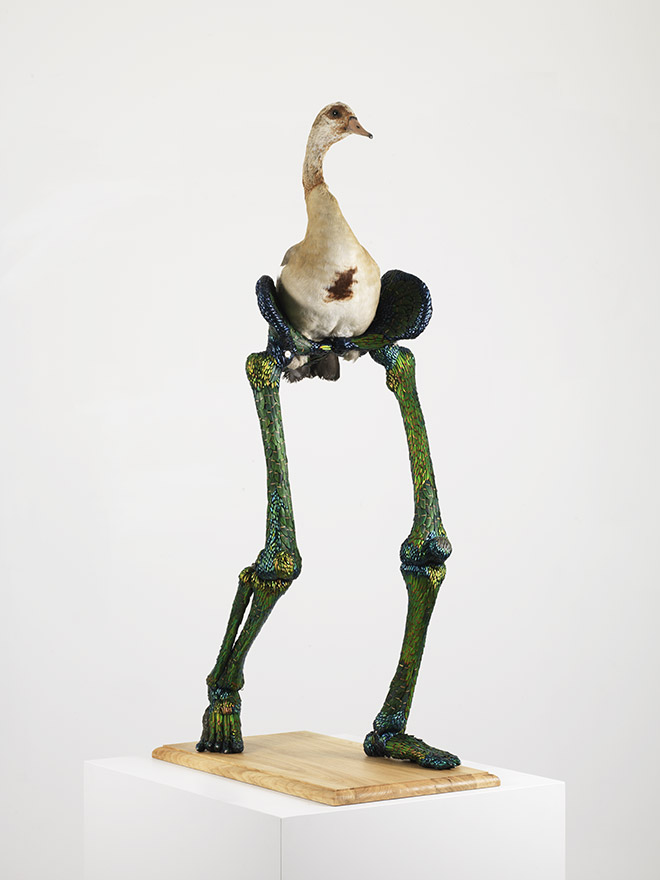
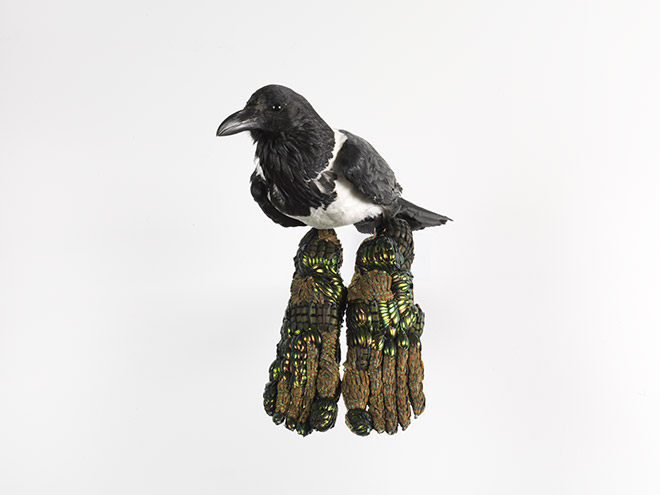
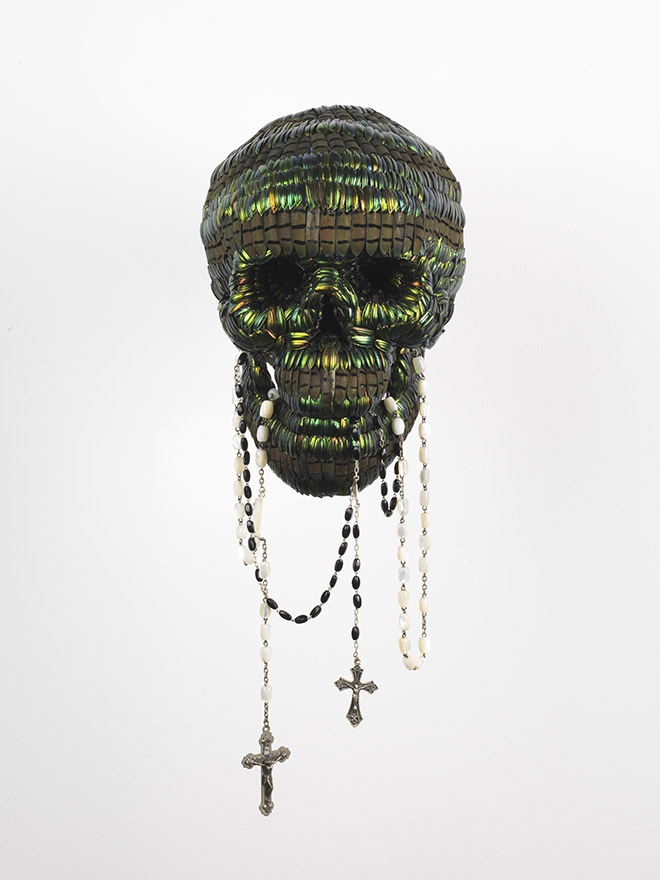
(2002), in which he covered the ceiling of the Mirror Room at the Royal Palace in Brussels with jewel beetle
wing-shields, his open-air sculptures, including The man who measures the clouds (1998), Searching for
Utopia (2003) and Totem (2000-2004). He also made artworks for the Musée de la Chasse et de la
Nature, Paris (The Night of Diana, 2007) and the ZOO of Antwerp (A tribute to Mieke, the tortoise
& A tribute to Janneke, the tortoise, both 2012) and his recent installation of The Gaze Within
(The Hour Blue) (2011 – 2013) in the Royal Staircase of the Museum of Fine Arts (Brussels) next to the
permanent display of the wax and bronze self-portraits, Chapters I – XVIII (2010).
Drawings, sculptures, objects, installations, films, performances, thinking models and others: all the visual
art works by Jan Fabre make reference to a belief in the vulnerable body and its defence, plus an observation of
man and asking the question of how he can survive in the future. This fascination with the body and science
originated in his youth, when, influenced by the research carried out by the entomologist Jean-Henri Fabre
(1823-1915), there was nothing he liked more than to study the world of insects and other creatures, even
dissecting their tiny bodies and transforming them into new creatures.
Metamorphosis is a key concept in any approach to Jan Fabre’s artistic course, in which human and animal
existence are constantly interacting. This led him to the portrayal of the sensual and the spiritual body; the
creation of a variety of deathless bodies resistant to the natural cycles of growth and decay. His work as an
artist is a poetic act of resistance under the flag of beauty, an exercise in disappearance or a celebration of
life as a preparation for death. Over the years he has shaped his own world with its laws and rules, and
recurring characters, symbols and motifs.
Known from solo-exhibtions such as Homo Faber (KMSKA, Antwerp, 2006), Hortus / Corpus
(Kröller-Müller Museum, Otterlo (2011) and Stigmata. Actions and Performances 1976 – 2013 (MAXXI, Rome,
2013, M HKA, Antwerp, 2015). He was the first living artist to present his work at the Louvre, Paris (L’Ange
de la métamorphose, 2008). The well-known series of The Hour Blue (1977-1992) was shown in the
Kunsthistorisches Museum in Vienna (2011), in the Musée d’Art Moderne of Saint-Etienne (2012) and in the Busan
Museum of Art (2013). His research about ‘the most sexy part of the body’ the brain was presented in the
solo-shows Anthropology of a planet (Palazzo Benzon, Venice, 2007), From the Cellar to the Attic. From
the Feet to the Brain (Kunsthaus Bregenz, 2008; Arsenale Novissimo, Venice, 2009), PIETAS (Nuova
Scuola Grande di Santa Maria della Misericordia, Venice, 2011; Parloods Park Spoor Noord, Antwerp, 2012). The
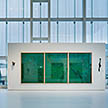
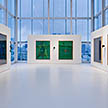
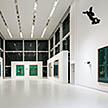
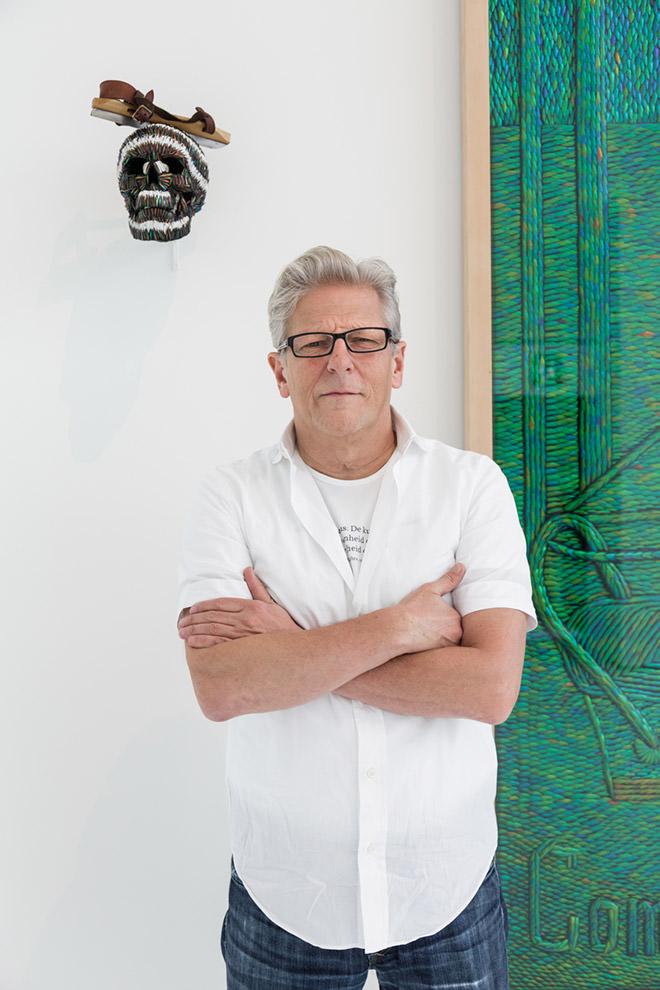
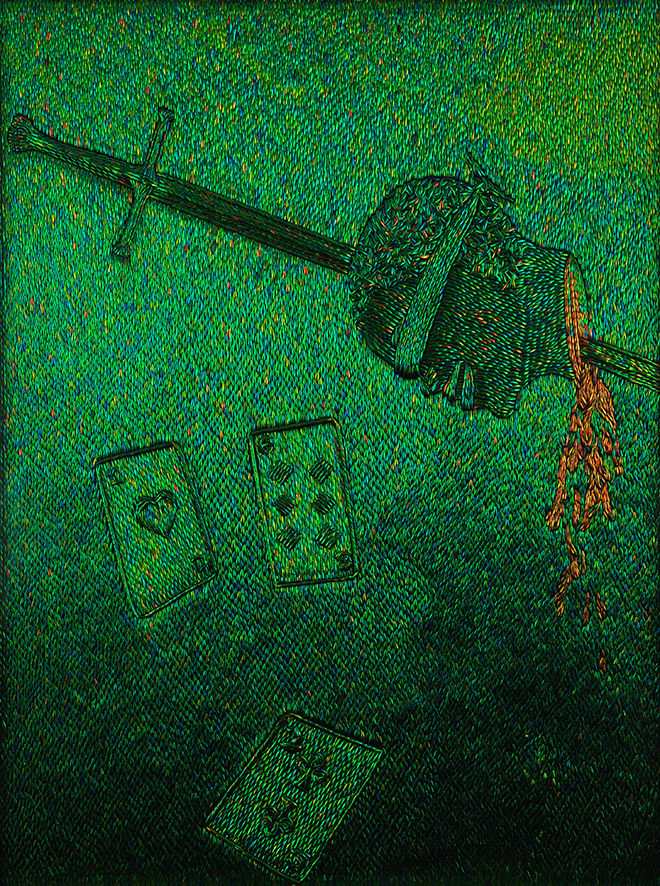
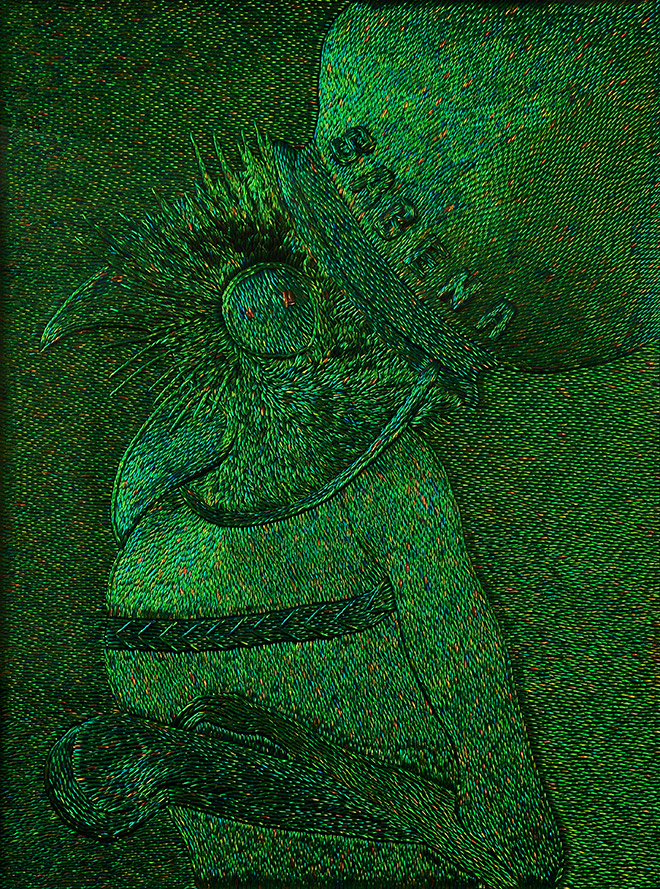
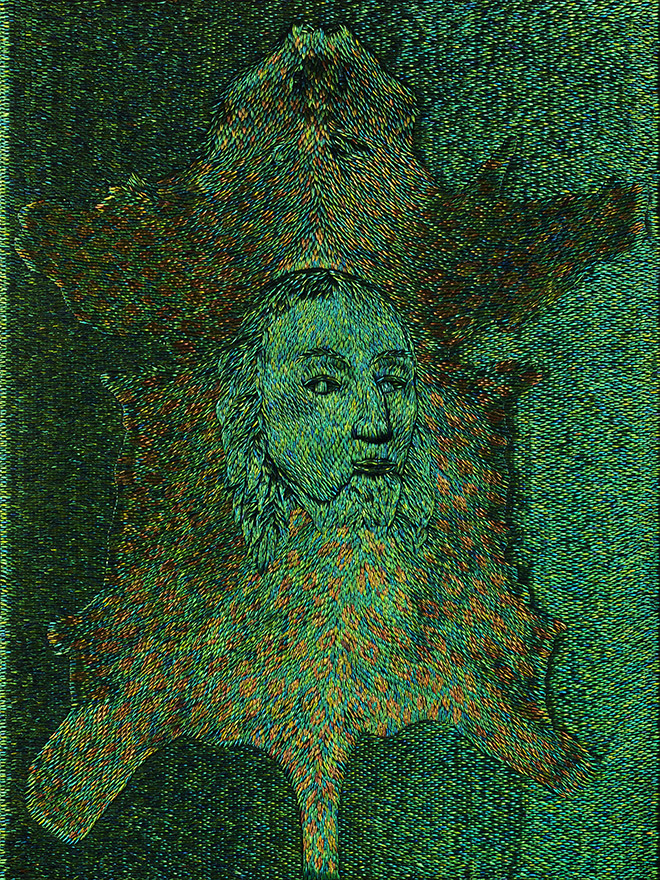
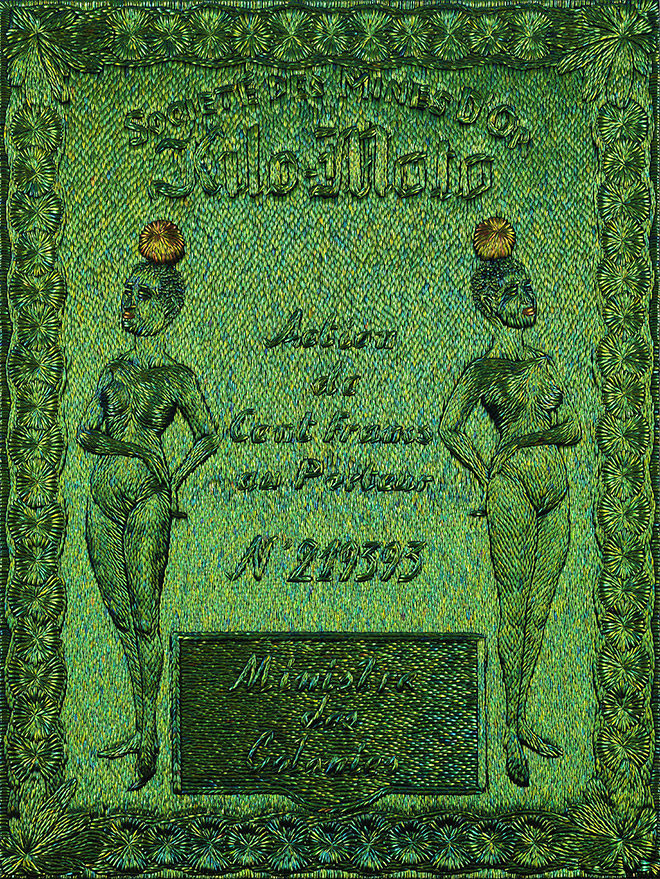
recent series of mosaics Tribute to Hieronymus Bosch in Congo (2011 – 2013) and Tribute to Belgian
Congo (2010 – 2013) were already shown at the Palais des Beaux-Arts in Lille (2013) and the
PinchukArtCentre in Kiev (2013). In 2016 the exhibition will be shown in Den Bosch as part of the festivities of
500 years Jheronimus Bosch. Futhermore, Jan Fabre received an official invitations to create a large scale
exhibitions both at the State Hermitage Museum in St-Petersburg and at the Musée Océanographique in Monaco in
2016.




_LH_002.jpg)